


The evolution of gambling tracing the history of bets and games
The Origins of Gambling
The origins of gambling can be traced back to ancient civilizations, where evidence suggests that games of chance were played thousands of years ago. Archaeological findings from sites like ancient China reveal the use of tiles for games of chance, hinting at a society that embraced risk and reward. Similarly, the Mesopotamians participated in betting activities, with artifacts indicating that dice were used as early as 3000 BC. These early forms of gambling laid the groundwork for the complex betting systems we see today. Furthermore, many players now gravitate towards platforms like playid casino, enhancing their gaming experience through modern technology.
In ancient Rome, betting took on a more organized format, with citizens placing bets on gladiatorial contests and chariot races. The Roman Empire recognized gambling’s cultural significance, and it became intertwined with social events and public entertainment. As gambling grew in popularity, laws were established to regulate it, indicating a transition from informal betting to a more structured practice. The fascination with games of chance transcended cultures, establishing a global legacy that would evolve over the centuries.
As societies developed, so too did the forms of gambling. From the lotteries of the Middle Ages to the rise of casinos in the Renaissance, each period marked a significant step in the evolution of betting practices. Governments began to recognize the potential for revenue generation through gambling, leading to the establishment of state-sponsored lotteries. This shift would pave the way for modern gambling, where both legality and organization became pivotal in shaping the industry.
The Rise of Formalized Gambling
The 17th and 18th centuries marked a pivotal era for gambling as formalized establishments began to emerge. The first modern casinos appeared in Italy, providing a dedicated space for games like roulette and baccarat. This innovation was not just a pastime but also an economic venture, attracting wealthy patrons and tourists. Gambling became synonymous with luxury and high society, setting the stage for the glitz and glamour associated with casinos today.
During this period, the concept of house edges and probabilities gained traction. Mathematical principles began to influence games, creating a balance of risk for both players and establishments. Casino owners understood that their success depended on attracting players while also ensuring profitability. This symbiotic relationship between gambling establishments and players shaped the dynamic of the gambling world, evolving from mere chance to a more calculated endeavor.
The emergence of organized betting also led to the formation of betting houses, where individuals could place wagers on sports events. This development introduced a new dimension to gambling, enabling enthusiasts to engage with their favorite sports in a more interactive manner. The combination of formalized casinos and sports betting laid the foundation for the diverse landscape of gambling we recognize in contemporary society.
The Impact of Technology on Gambling
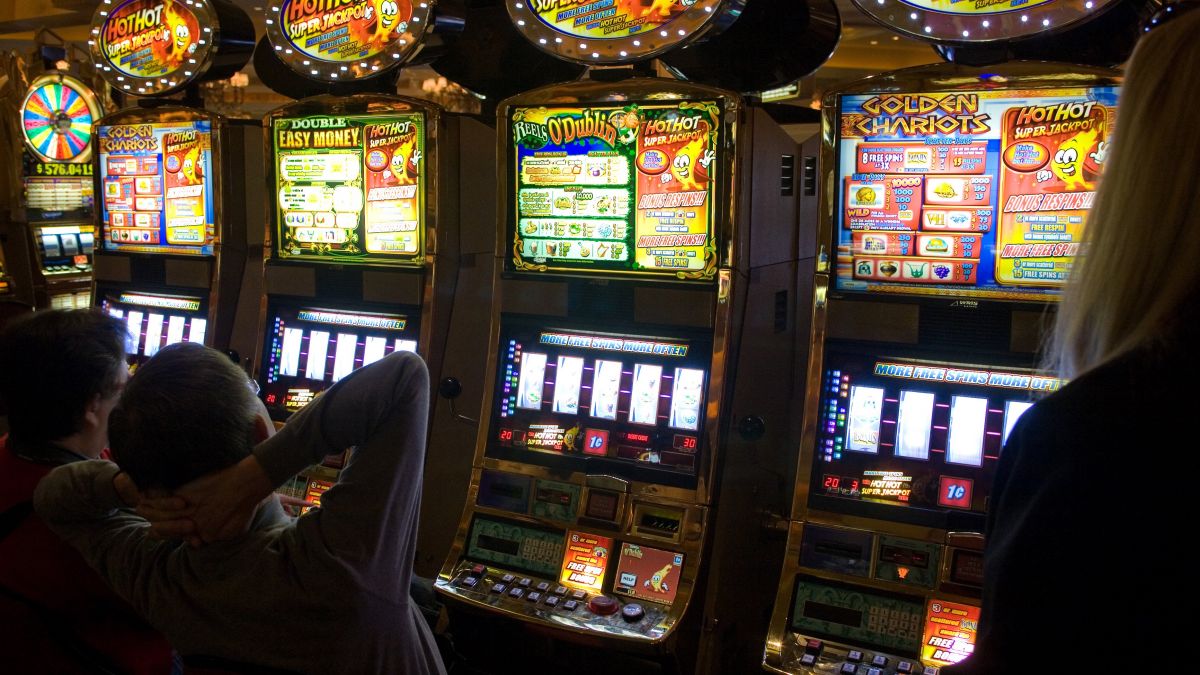
The 20th century brought significant technological advancements, radically transforming the gambling landscape. The introduction of electronic gaming machines, including slot machines, revolutionized how people engaged with games of chance. These machines offered instant gratification and became a staple in casinos worldwide. The combination of sound, light, and the thrill of winning created an immersive experience that drew in crowds and changed the gambling dynamic.
The advent of the internet in the late 20th century marked another monumental shift. Online gambling platforms began to emerge, allowing players to access their favorite games from the comfort of their homes. This shift democratized gambling, making it accessible to a broader audience. The online gaming industry exploded, leading to the creation of virtual casinos and mobile applications that streamlined the betting process.
Moreover, advancements in cybersecurity have fostered a safer online gambling environment. Players can now enjoy the thrill of gambling without the concerns of privacy and security. With innovations like blockchain technology, transactions can be verified and protected, enhancing trust between operators and players. This technological evolution has not only expanded the gambling market but has also reshaped its future, paving the way for further innovations.
The Legal Landscape of Gambling
The legal status of gambling varies significantly across different jurisdictions, shaping how it is regulated and practiced. In many regions, gambling has been legalized and integrated into the economy, contributing significantly to tax revenues and job creation. However, the road to legalization has often been fraught with challenges, as moral and ethical concerns surrounding gambling continue to provoke debate. Countries have had to navigate the delicate balance between the potential economic benefits and the social implications of gambling.
In recent years, there has been a growing trend towards the legalization of online gambling in various jurisdictions. Governments are beginning to recognize the importance of regulation in protecting consumers and generating revenue. This shift has led to the development of comprehensive regulatory frameworks, ensuring fair play and responsible gaming practices. With the rise of mobile gambling, lawmakers are now tasked with addressing new challenges, requiring continuous adaptations to existing laws.
Moreover, responsible gambling initiatives have gained traction alongside legalization efforts. Authorities and operators are increasingly aware of the potential for addiction and other negative social impacts. Programs promoting awareness and providing resources for those who may struggle with gambling addiction are becoming essential components of the gambling landscape. This evolving legal framework reflects a commitment to fostering a safe and enjoyable environment for all participants.

PlayID and the Future of Gambling
As the gambling landscape continues to evolve, innovative platforms like PlayID are enhancing the experience for modern players. Designed specifically for online gaming enthusiasts, PlayID offers a secure and efficient way to manage transactions, bridging the gap between users and their favorite gaming sites. By simplifying deposits and withdrawals, it allows players to focus on enjoying the games without the hassle of traditional banking systems. It is no surprise that more players are turning to services offered by playid casino, gaining access to unique features that improve their gaming experience.
In addition to its user-friendly interface, PlayID emphasizes privacy and security, critical components in the online gambling environment. With identity verification processes and robust cybersecurity measures, players can feel confident that their data and funds are protected. This commitment to safety is increasingly important as more individuals turn to online gaming, demanding a trustworthy experience.
Looking ahead, the future of gambling will likely be shaped by continued technological advancements and evolving regulations. PlayID is well-positioned to adapt to these changes, offering features that cater to the needs of the modern gamer. As the industry grows, innovative solutions will enhance the overall gambling experience, ensuring that players remain engaged and entertained in a rapidly changing landscape.

